- Rodent only specialists
Rat Removal in Chino Hills
Rats in the attic or the walls? We trap them, remove them, and seal the building so the next ones cannot follow. No poison, and no monthly bait boxes forever.
- Licensed, bonded and insured
- Based in Chino Hills
- Sealed out, not poisoned
- Open 7am to 11pm
Rat removal and rat control calls in Chino Hills almost all start the same way. Someone hears movement overhead after the house goes quiet, waits a few nights hoping it stops, then calls once it clearly has not.
By the time you can hear them, they are usually nesting rather than passing through. Rats reach breeding age in about three months, so a pair that got in during autumn can be a real population by spring. That is why we treat the entry point as the problem and the rats as the symptom.
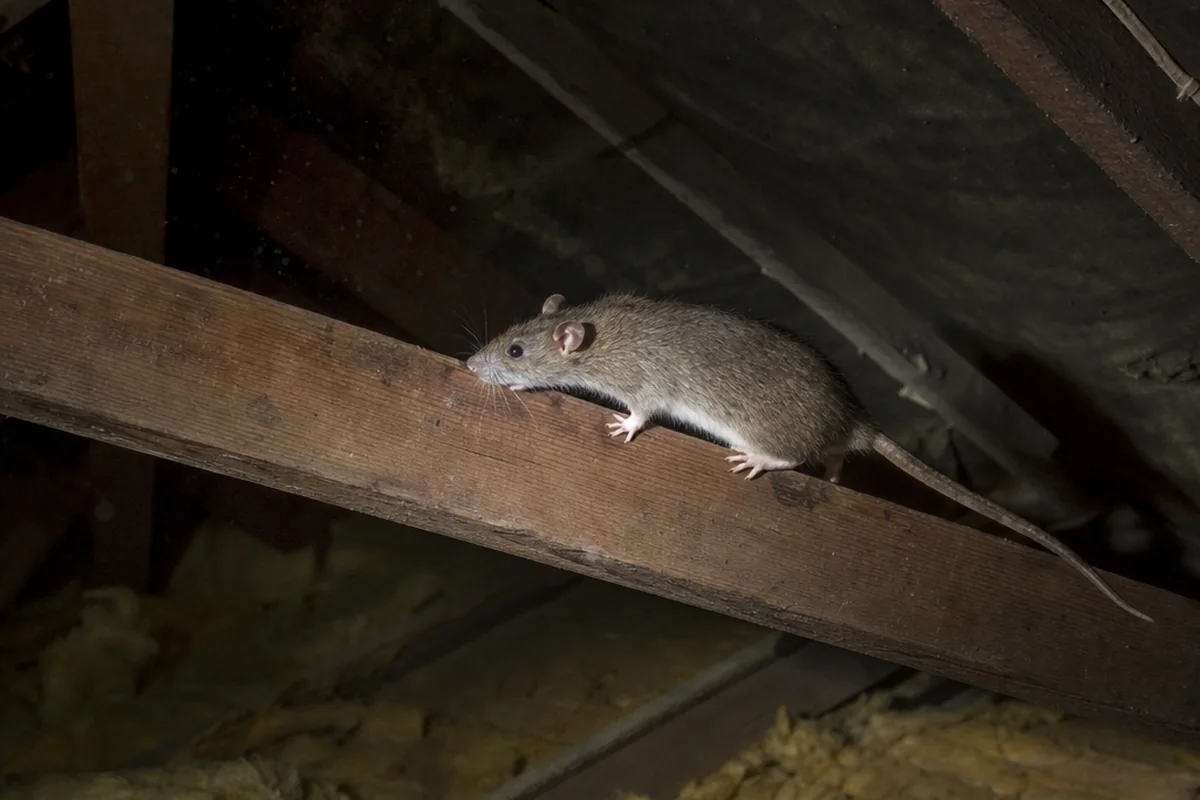
Roof rats or Norway rats, and why it matters here
Two species turn up in this part of the Inland Empire, and they behave differently enough that the treatment changes.
| Roof rat | Norway rat | |
|---|---|---|
| Where it lives | Attics, rafters, trees, ivy, upper floors | Crawl spaces, burrows, ground level, under slabs |
| Body | Slim, tail longer than the body, pointed nose, large ears | Heavier, tail shorter than the body, blunt nose, small ears |
| How it gets in | Climbs. Roofline gaps, vents, overhanging branches | Burrows and pushes. Foundation gaps, broken pipes, vents |
| How common here | The usual culprit in Chino Hills hillside homes | More often near older plumbing and ground level access |
Roof rats are the species most Chino Hills homes end up with, and the reason is the landscaping. Mature ivy, fruit trees, and the canyon edges give them a route to the roof, and once they are up there they only need a gap the size of a quarter.
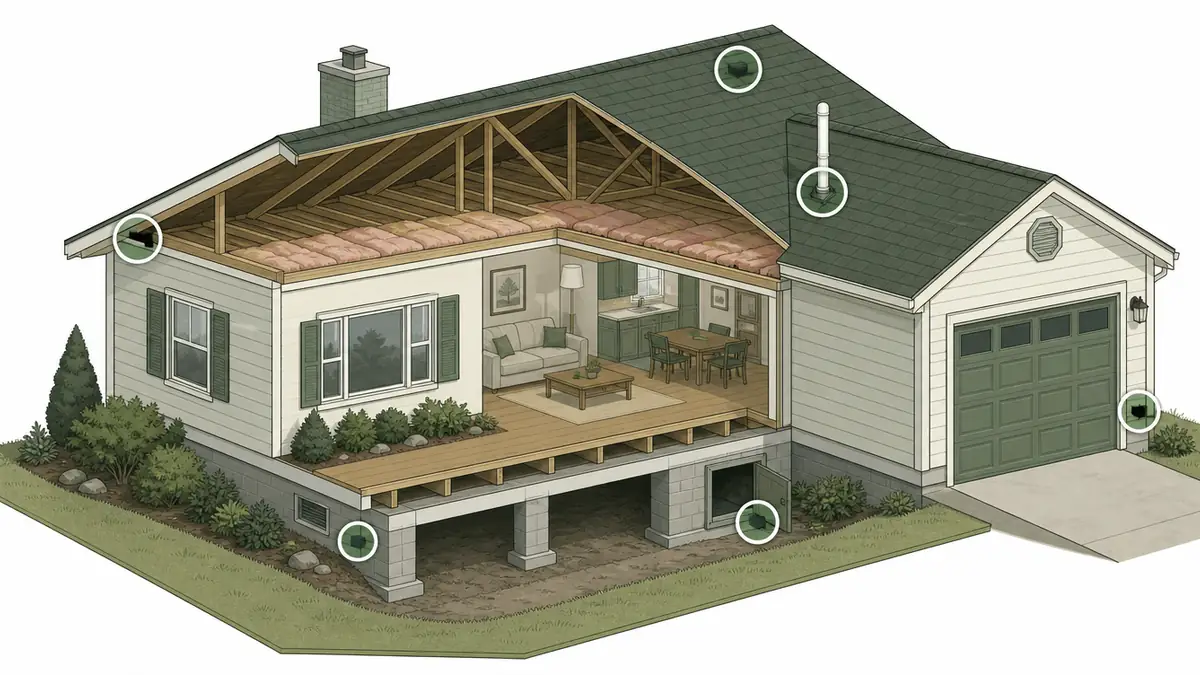
Signs of rats in your home
- Noise overhead at night. Scratching, scurrying, or a rolling sound as they move stored food. Rats are most active in the first few hours after dark.
- Droppings you can size. Roof rat droppings run about half an inch, dark, with pointed ends. Mouse droppings are about the size of a grain of rice.
- Rub marks. Rats follow the same routes and leave dark greasy smears along beams, pipes, and wall edges.
- Gnaw damage. Chewed wiring, stripped insulation, gnawed vent screens, and fresh pale marks on wood.
- A smell that builds. Urine has a sharp ammonia edge. If something has died in a wall or a duct, you will know.
- Your pets know first. A dog or cat fixating on one spot in the ceiling or a vent is worth taking seriously.
Not sure if it is rats or mice? The quickest tell is the sound. Rats are heavy enough that you can hear a single one walking. Mice sound faster and lighter. If the droppings look like rice rather than beans, read our mouse removal page instead.
Free rat inspection
We find the entry points and give you a written plan. No cost, no obligation.
We call from (909) 281 7828 during open hours.
Related services
Hearing them again tonight?
Book a free rat inspection and find out how they are getting in before the damage spreads to wiring and insulation.
How we stop rats at the source
The order below is the whole method. Do it out of order and you either seal rats inside your walls or you clean an attic that fills up again next season.
- 1. Inspect. We walk the attic, crawl space, roofline, and exterior. Every gap, vent, pipe penetration, and chewed edge gets mapped.
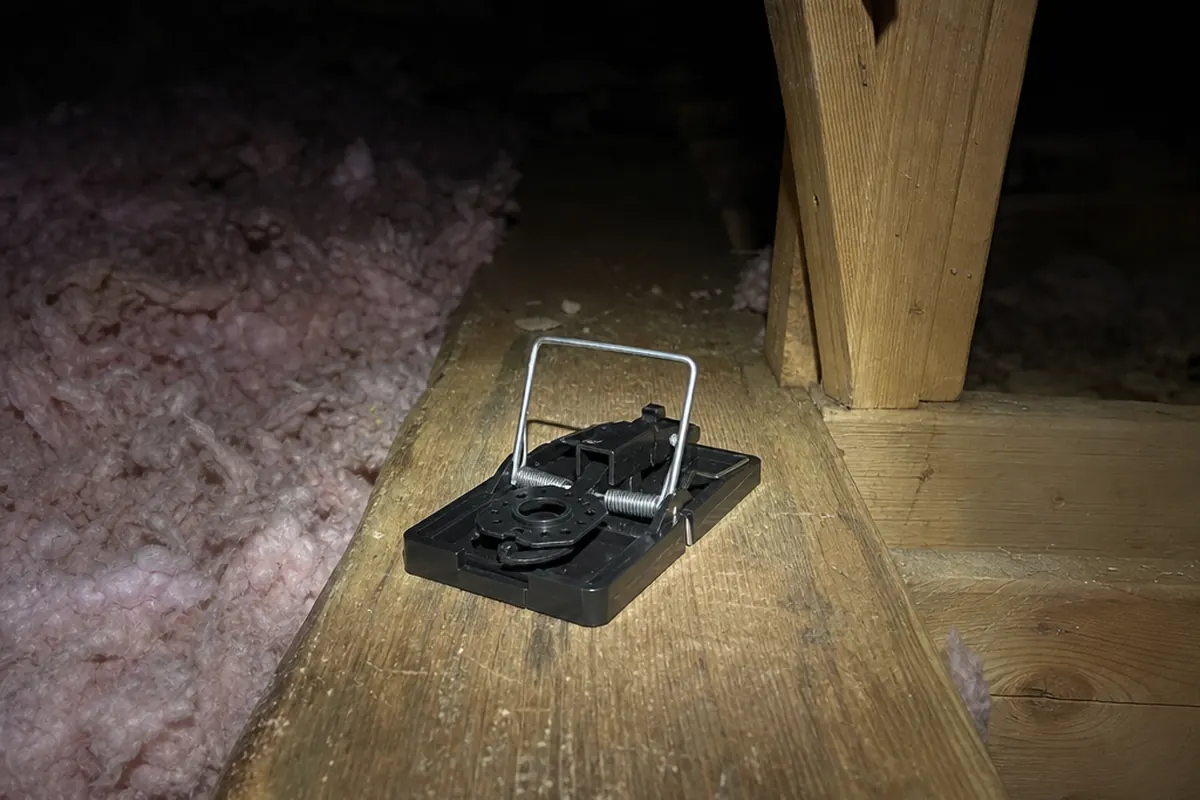
- 2. Trap and remove. Traps placed on the runways we found, out of reach of children and pets. We keep working the property until activity stops, not until a set number of visits is used up.
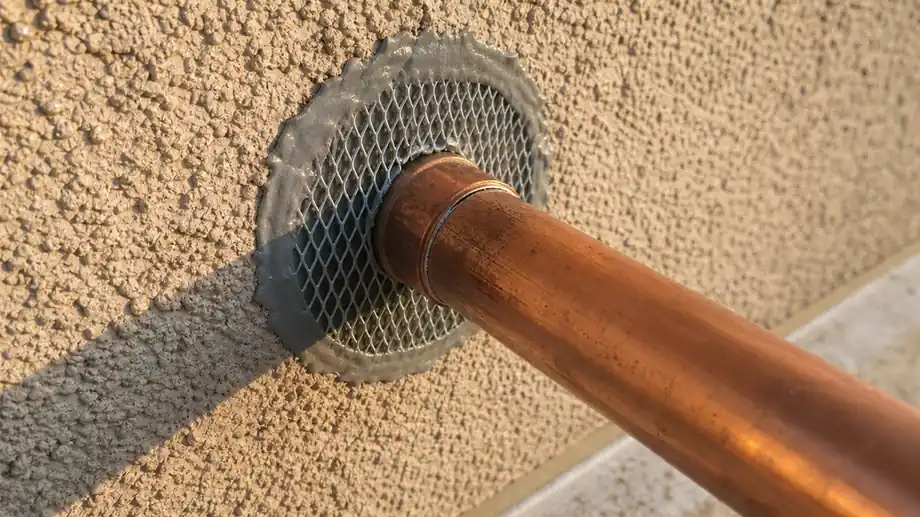
- 3. Seal. Once the building is empty we close every entry point with steel mesh, hardware cloth, and sealed vent screens. Rats can chew wood, foam, and plastic. They cannot chew through properly installed steel.
- 4. Clean. Droppings, nesting material, and contaminated insulation come out. Surfaces are sanitized and the odor is treated so the scent trail stops drawing new rats in.
- 5. Verify. We check the seal before we call the job finished.
Step three is the one that actually ends the problem, and it is the step most companies skip because it is the slow part. Trapping without sealing is a service contract. Sealing is a finish line. That is the difference between what we do and a monthly bait route.
Why poison is the wrong tool for rats
Homeowners ask about this constantly, so here is the straight answer. Poison works, in the narrow sense that it kills rats. It just does not solve the thing you actually hired someone to solve.
- They die where you cannot reach them. A poisoned rat goes back to the nest, which is inside your wall cavity, your ceiling, or a duct run. The smell can last for weeks and the only real fix is opening the wall.
- The doorway stays open. Poison does nothing to the gap they came through. Clear the current population and the territory simply gets reoccupied.
- It moves up the food chain. A slow dying rat is easy prey. Secondary poisoning reaches dogs, cats, owls, and hawks, and California has restricted many of these products for exactly that reason.
- It never ends. Bait stations are a subscription you keep paying because the underlying problem was never addressed.
What rat removal costs in Chino Hills
We do not quote rat work over the phone, and we suggest care with anyone who does. A number given before someone has been in your attic is a guess, and guesses get corrected upward once the crew arrives.
What drives the price is the building. A single story tract home with one roofline is a different job from a hillside house with three rooflines and a crawl space. The inspection is free, the findings are yours either way, and the written quote spells out the price before any work starts.
Safety for your kids and pets
With no rodenticide involved there is nothing loose in your house for a toddler or a curious dog to find. Traps are placed where children and pets cannot reach them. Cleanup runs in containment with HEPA filtration, and the sealing materials are inert once installed.
What the inspection covers
You leave with the findings in writing, whatever you decide.
- Attic, crawl space, and full roofline
- Every active entry point mapped
- Species confirmed and nesting located
- Insulation and wiring damage assessed
- A written plan with an exact quote
- Warranty
Every sealing job comes with a warranty
Every home we rodent proof and seal gets a warranty on that work. Ask us for the terms at your free inspection.
Rat removal FAQ
How do I tell a rat from a mouse?
Size of the droppings is the quickest test. Rat droppings are around half an inch long with pointed ends. Mouse droppings are about the size of a grain of rice. Sound is the other tell. You can usually hear an individual rat walking, whereas mice sound lighter and quicker. If it turns out to be mice, our mouse removal page covers that work.
Why do I only hear them at night?
Rats are nocturnal and they are also avoiding you. They tend to be most active in the first few hours after dark and again just before dawn. Hearing them during daylight usually means the population has grown enough that they are competing for space and food, which is a reason to move sooner rather than later.
Will they just leave on their own?
No. Your attic is warm, dry, safe from predators, and close to food, so there is no reason to go. Left alone, a small problem becomes a breeding population and the damage moves from insulation to wiring.
Why will you not just put down poison?
Because poisoned rats die inside wall cavities and ducts where we cannot retrieve them, the entry point stays open for the next ones, and the poison moves up the food chain into pets and local wildlife. Sealing the building solves the problem instead of resetting it.
How long does rat removal take?
It depends on the population size and how much of the building is open to them. Trapping runs until activity stops rather than for a fixed number of visits, and sealing is scheduled once the building is confirmed empty. You get a realistic timeline at the inspection, not a number we cannot hold to.
What actually stops them coming back?
Exclusion. Every gap closed with steel mesh and hardware cloth, vents screened, and pipe penetrations sealed. Trapping clears the current population, but sealing is what changes the outcome. That work lives on our rodent proofing page in more detail.
Do I need the attic cleaned as well?
Usually yes, if they have been there a while. Droppings and urine soak into insulation, the scent trail draws in new rodents, and contaminated insulation stops performing. We will tell you honestly at the inspection.
Services that finish the job
Rat removal clears the building. These are the steps that keep it clear.
Rodent Proofing
The permanent step. Every entry point sealed with materials rats cannot chew through.
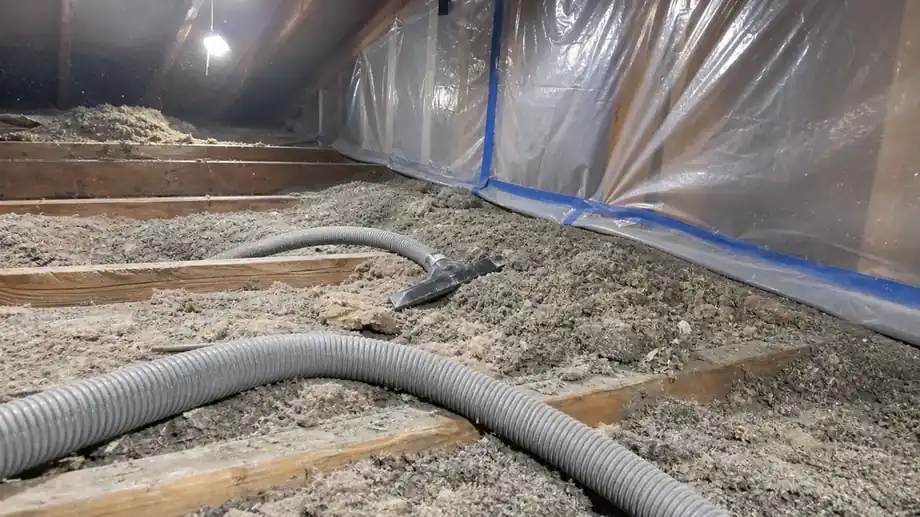
Attic Cleanup
Droppings, nesting, and contaminated insulation removed, then sanitized and deodorized.
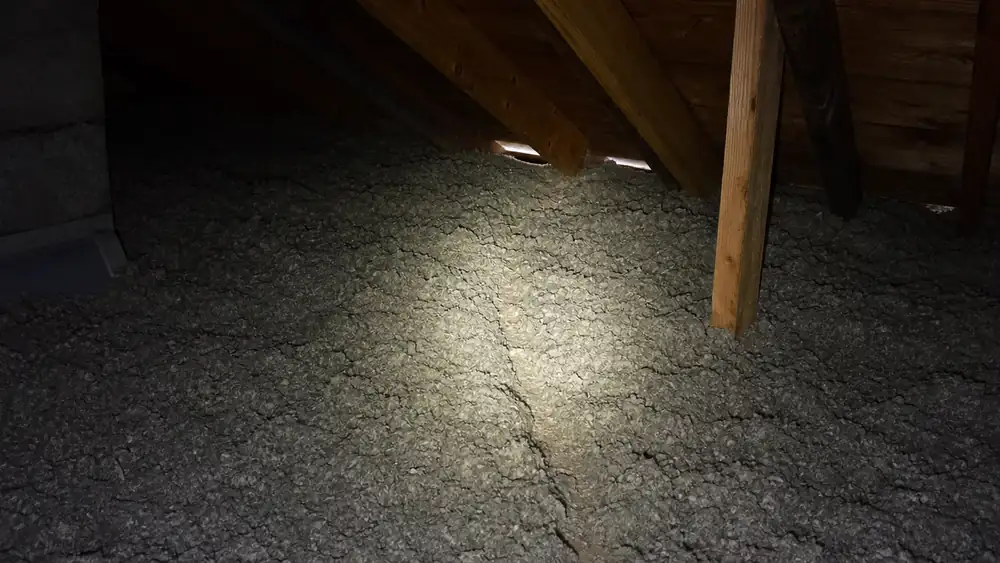
Rodent Inspection
Not certain what you are dealing with? Start here and get the findings in writing.
Where we handle rat removal
We dispatch from our Chino Hills office and cover 19 cities. This page is part of our wider rodent control in Chino Hills service.
Get the rats out and keep them out
A real person answers from 7am to 11pm every day. Tell us what you are hearing and we will tell you what it probably is.